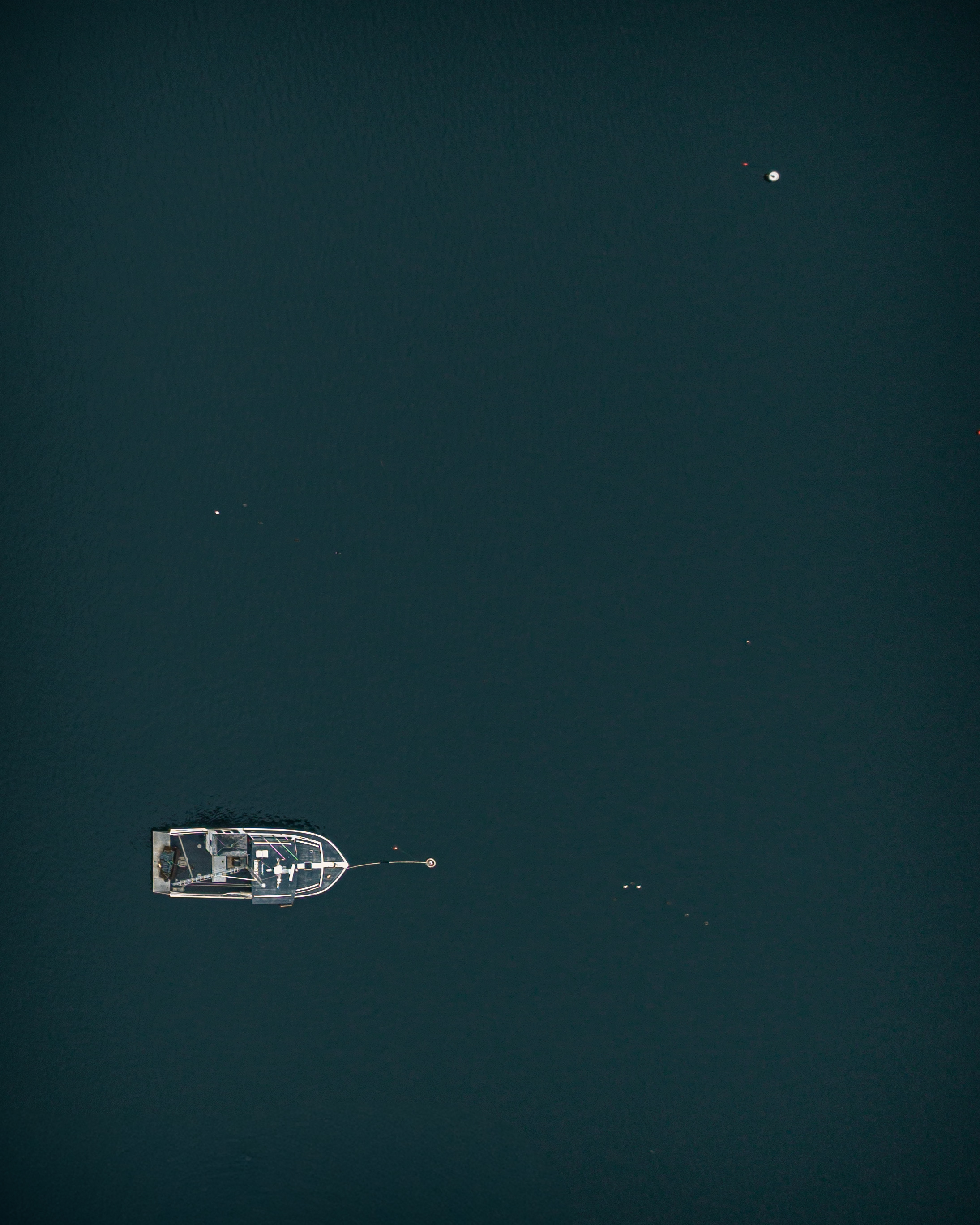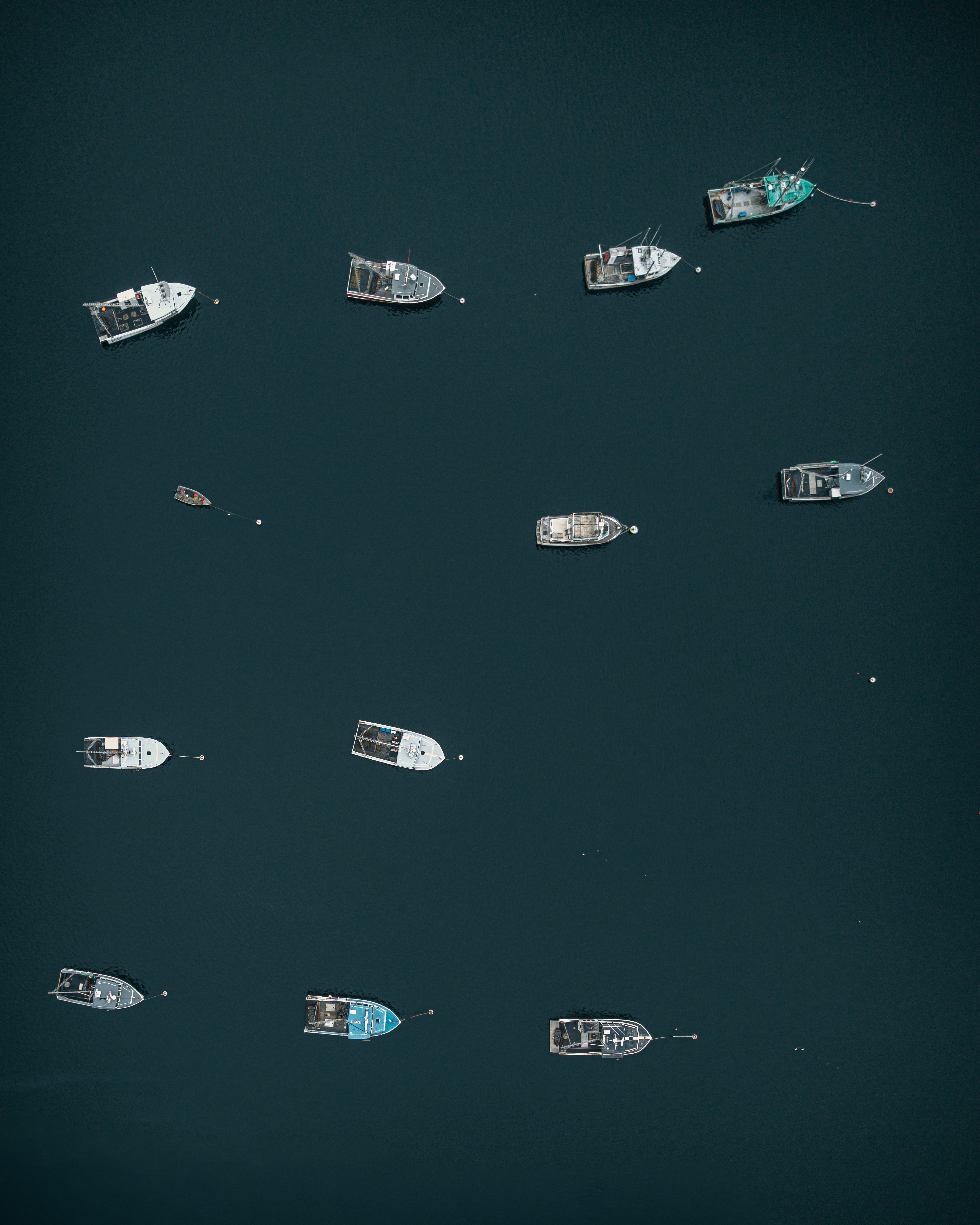
The boats started showing up the last week of March. You look out at the harbor one morning and there are more of them than there were the day before. You come back the next day and there are more still. By April 1st the harbor was full.
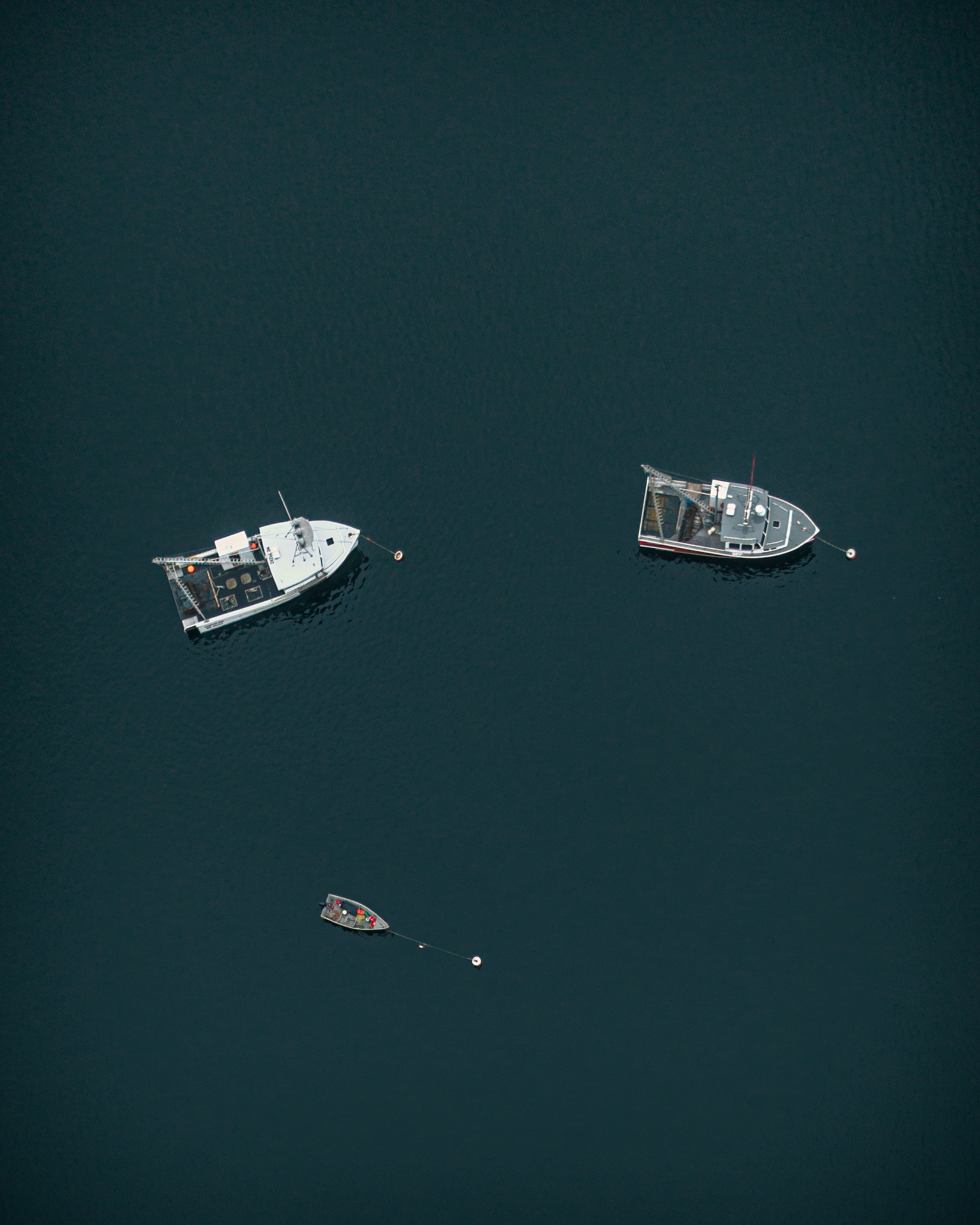
They came from Maine. From New Jersey. From Virginia. Steel draggers that are sixty and seventy feet long sitting alongside lobster boats half that size. All of them pointing at the same place: Stellwagen Bank, the shallow shelf that runs southeast of Cape Ann. Gloucester is the closest working waterfront with the infrastructure to handle it.
The harbor has been handling fishing fleets since 1623.
The Quota
NOAA sets the number every year. This year it was 437,867 pounds of scallop meat across the whole fleet. When the fleet hits it, the season ends. No extensions. No appeals.
Each boat is allowed 200 pounds a day. At thirty to forty dollars a pound, the math works fast for the boats that are ready. The boats that do well show up with their gear sorted and their crew lined up. The season does not wait for anybody.
This year the window was twelve days.
NOAA called the closure on April 10th. The fleet had until midnight on the 12th to make their last trip. Then it was over.
What It Looks Like From Here
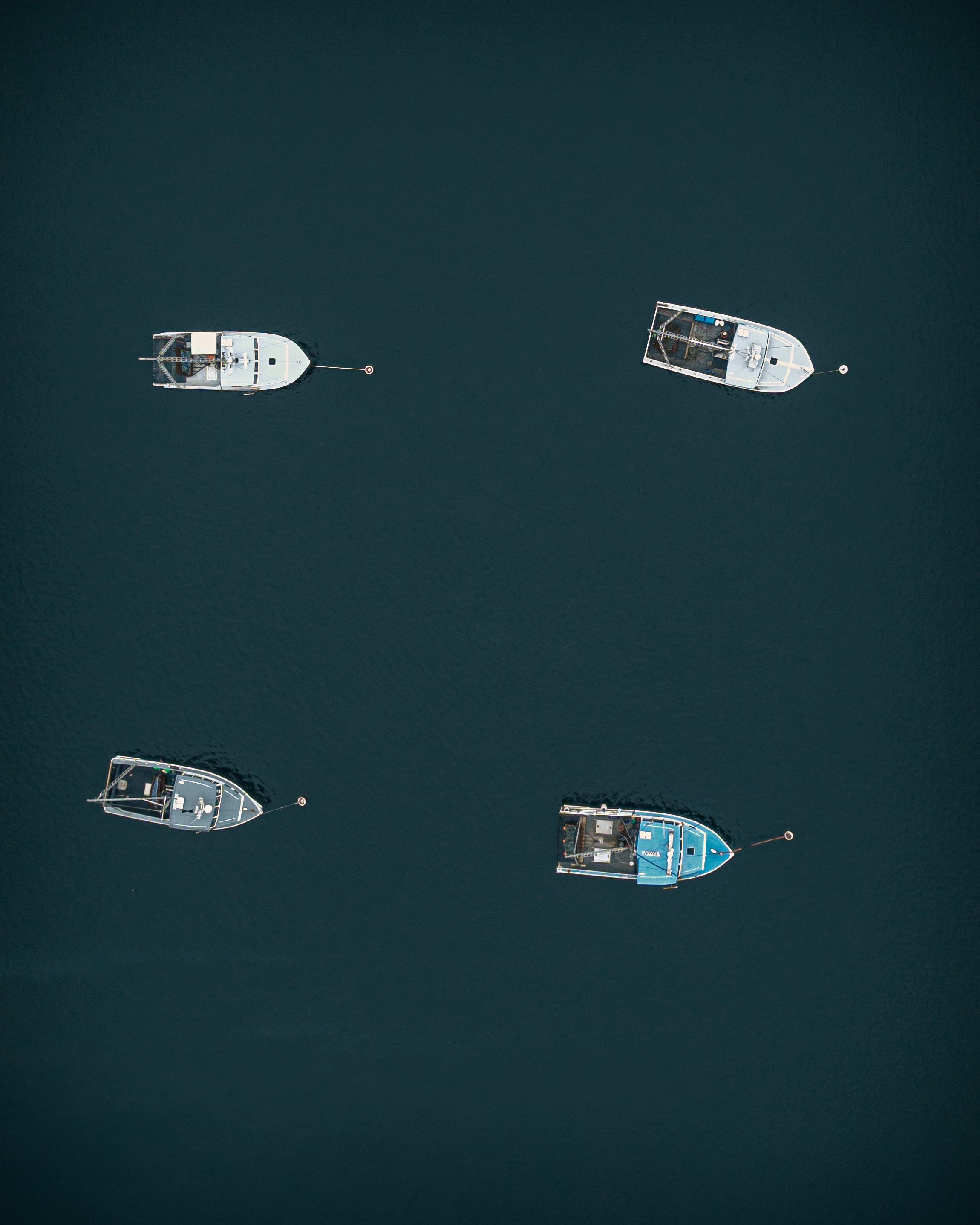
The boats work Stellwagen and they land in Gloucester. That's the arrangement. So the slips fill up and the crew comes ashore and the city absorbs it like it always has. The restaurants, gear stores, the bars on the waterfront, all of it running a little harder for a few weeks before the tourist season starts.
The scallops are landed fresh every day. That's the whole point. An offshore boat might be out for days and the catch sits in the hold. These boats are back every night. Fresh product gets a better price.
You can watch them come in after dark. The floodlights on the piers stay on. A boat runs the channel, ties up, and the crew is already moving before the lines are cleated. The seagulls know the schedule. They follow the draggers out in the morning and back in at night, working the discarded shells and guts the whole way.
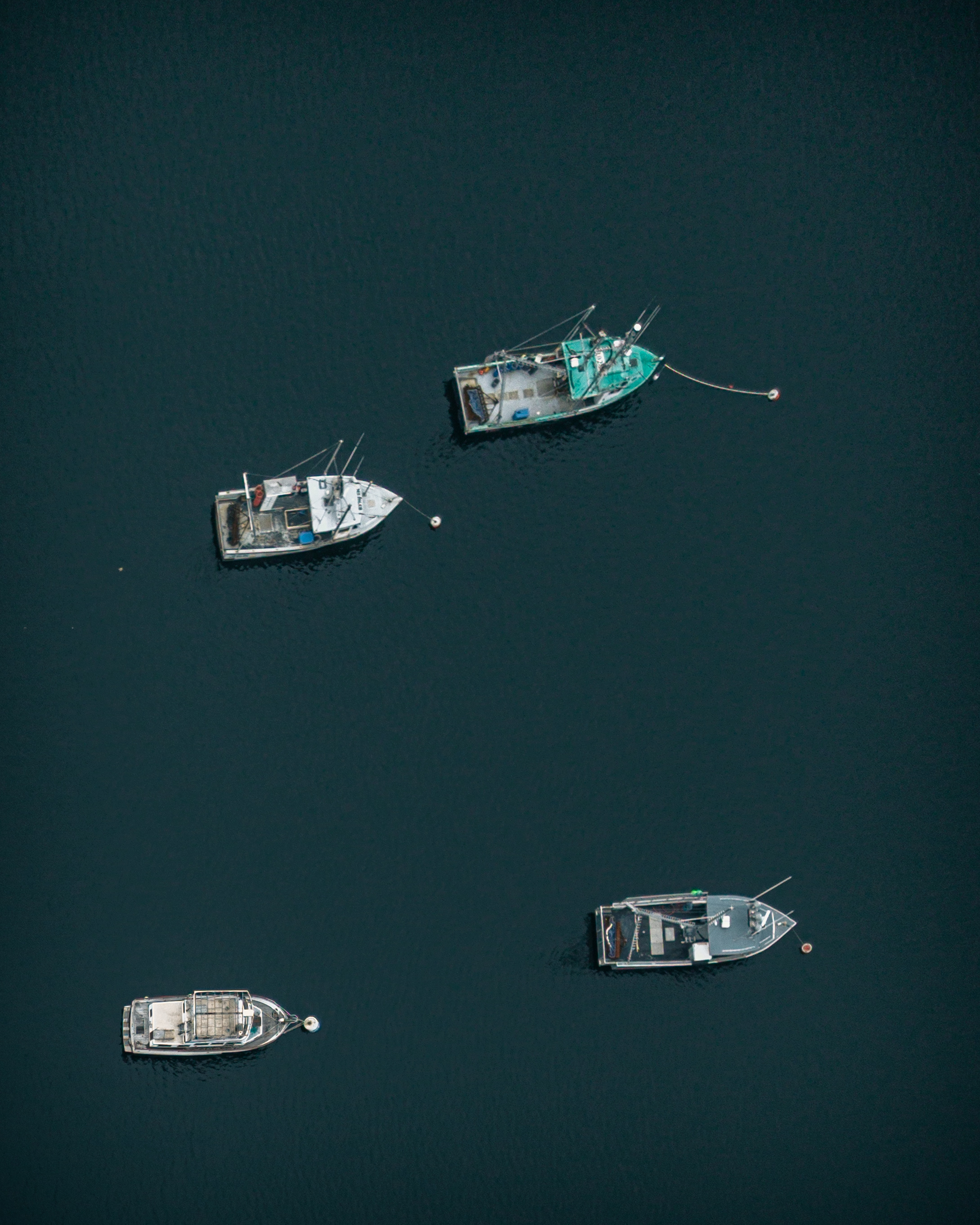
The fleet is not a uniform thing. Lobster boats in the 40-foot range sit at the dock next to 70-foot steel draggers from down the coast. Different rigs. Different home ports. Same catch. They are all out there towing heavy steel drags on the ocean floor, winching them back when they load up, and putting the crew to work shelling and cleaning so that only the adductor muscle makes it into the hold. The seagulls get the rest.
Three weeks of that work can pay like three months. This year it was twelve days.
Before They Left
The fleet did something before the season ended. A fundraiser down at The Lobster on the waterfront — raffle, silent auction, and the first annual Scallop Shuck-Off, deckhands competing for fastest cutter. The money went to the family of Jaxson Marston, a crew member who died at sea during last year's season, and to the families of the crew of the Lily Jean.
Fishermen taking care of fishermen. It doesn't get announced much and in Gloucester it just happens.
After
The moorings are emptying out now. The steel draggers have headed south. The Maine boats are gone. The harbor is returning to its ordinary April configuration. The lobstermen, the early pleasure boats getting splash dates sorted, the gulls working the water on their own schedule.
June will bring the day-trippers and the charter fleet and the whole summer apparatus. That's coming. But right now there's a pause between what just happened and what comes next.
The fleet will be back next April. Whether the window is longer than twelve days is unknown.