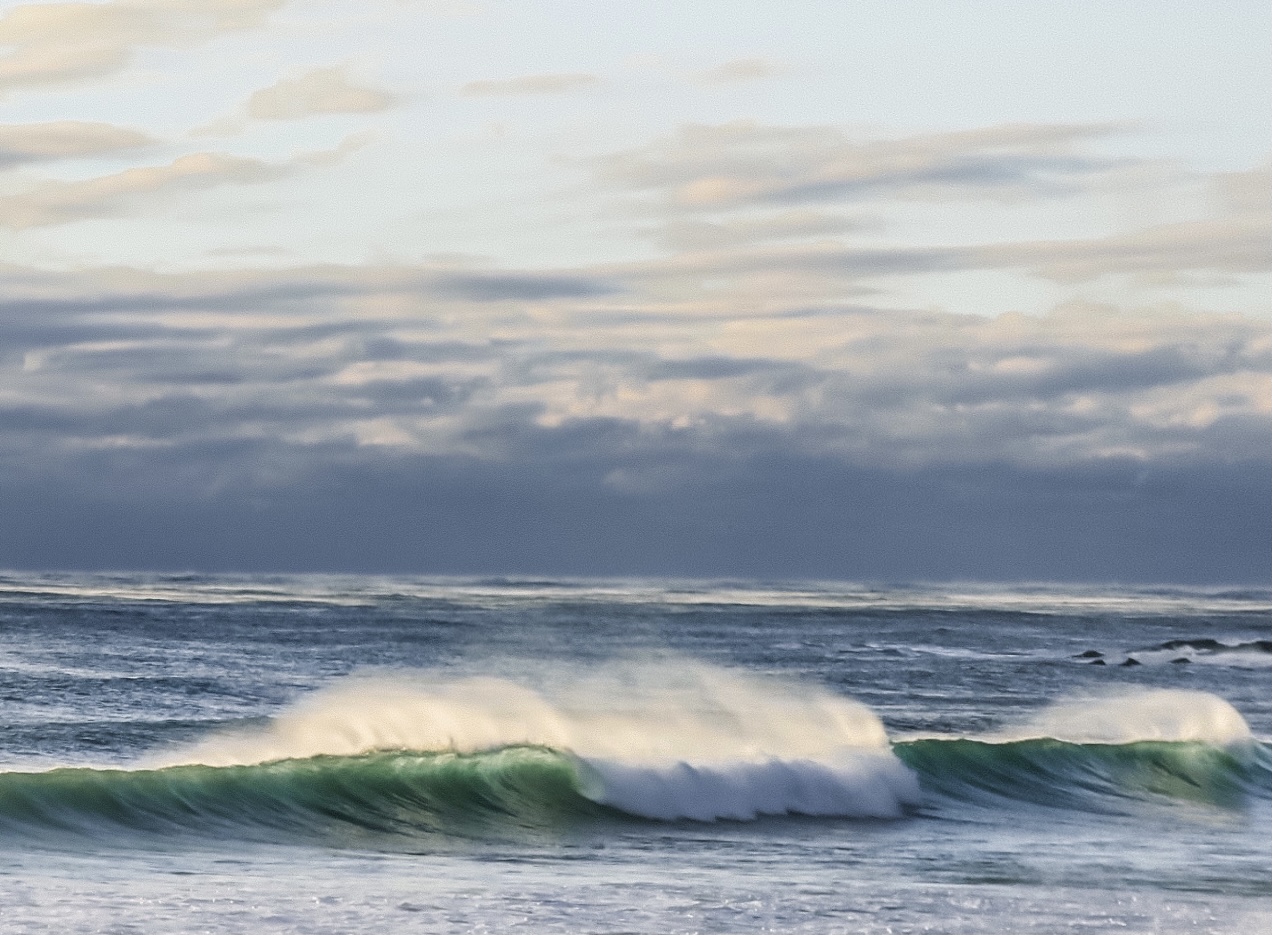
Nobody's Town
I grew up in Wenham. If you don't know it, that's kind of the point. Five thousand people, a lake, some old farms. The lake used to supply ice to Queen Victoria — they harvested it in winter, packed it in sawdust, and shipped it to London in the 1840s. Now it's a reservoir and you can't even swim in it. There is nothing else to tell you about Wenham. And I mean that sincerely.
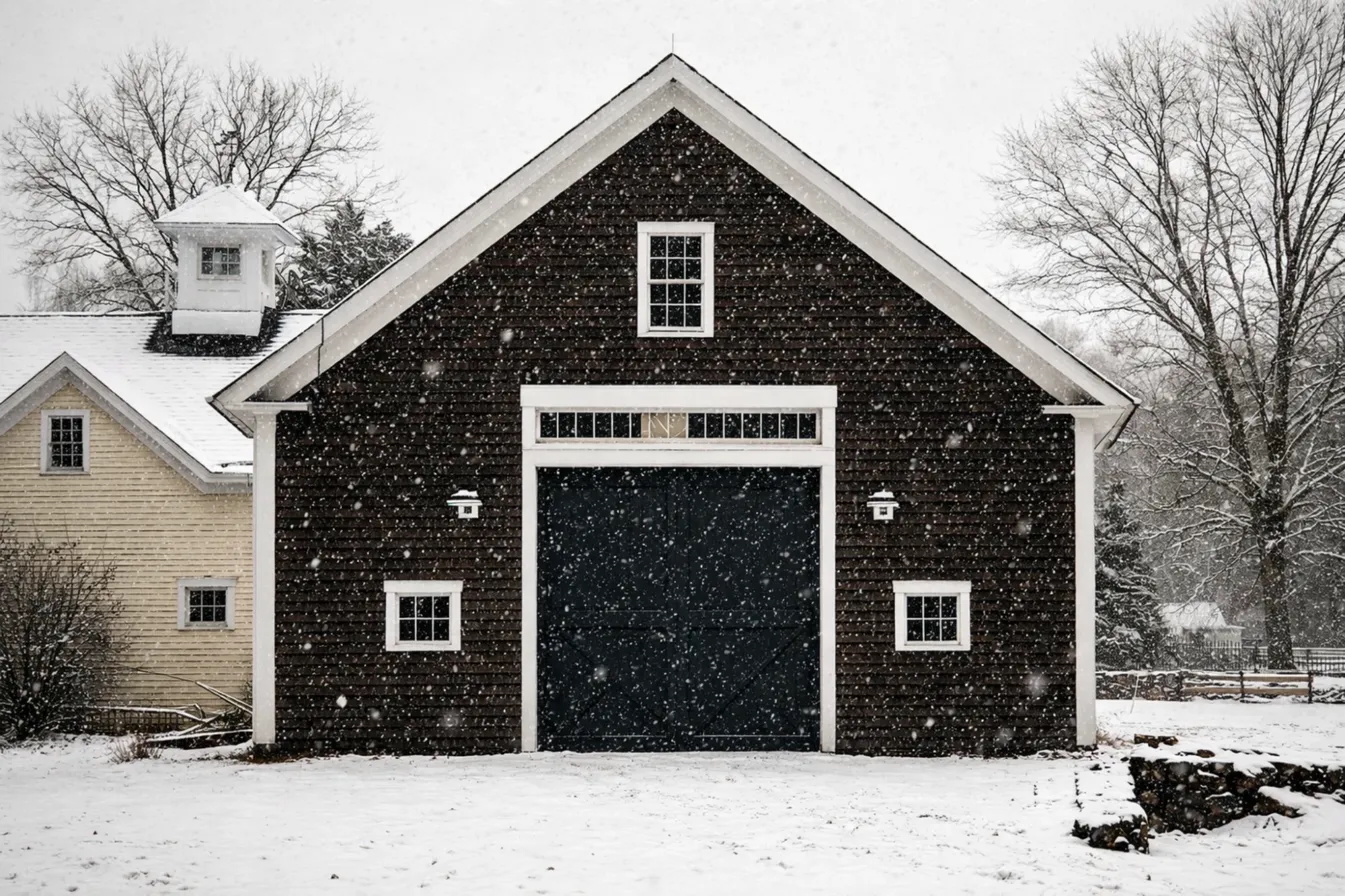
I live in Salem now. The Nathaniel Silsbee House on the common — built in 1818 for a sea captain turned US Senator, restored just enough to actually live in. There's a historical plaque out front. I know it's there. Two fireplaces, both electric. Every house has its compromises.
What it gave me — Wenham, the woods, all of it — was an appreciation for nature. My parents pushed us to be curious, to wonder. What's over that hill. Where does that dirt road go. We spent half our childhood roaming Pleasant Pond and the Great Wenham Swamp and the canal with no particular destination. Just to see what was at the end of it.
That instinct never left. It just looks different now. These days it looks like getting in the car at 5:30 a.m. in February when it's 28 degrees out and I have no particular plan.
The Drive
Most photographers pack it in after October. The light gets brutal, the wind kills your hands, the harbor empties out. I get it. The bed is warm. Netflix exists. It's genuinely easy to not go.
But I go anyway. No plan, usually. I'll take 127 north out of Salem — Beverly Farms, Manchester, Magnolia, Gloucester — or cut down toward Marblehead and just see where it goes. Have I been down that street before? Probably not. Let's keep going right. That dead end might open onto the water. It often does.
The act of going is the thing. Not the shot. The shot is just the proof that you went.
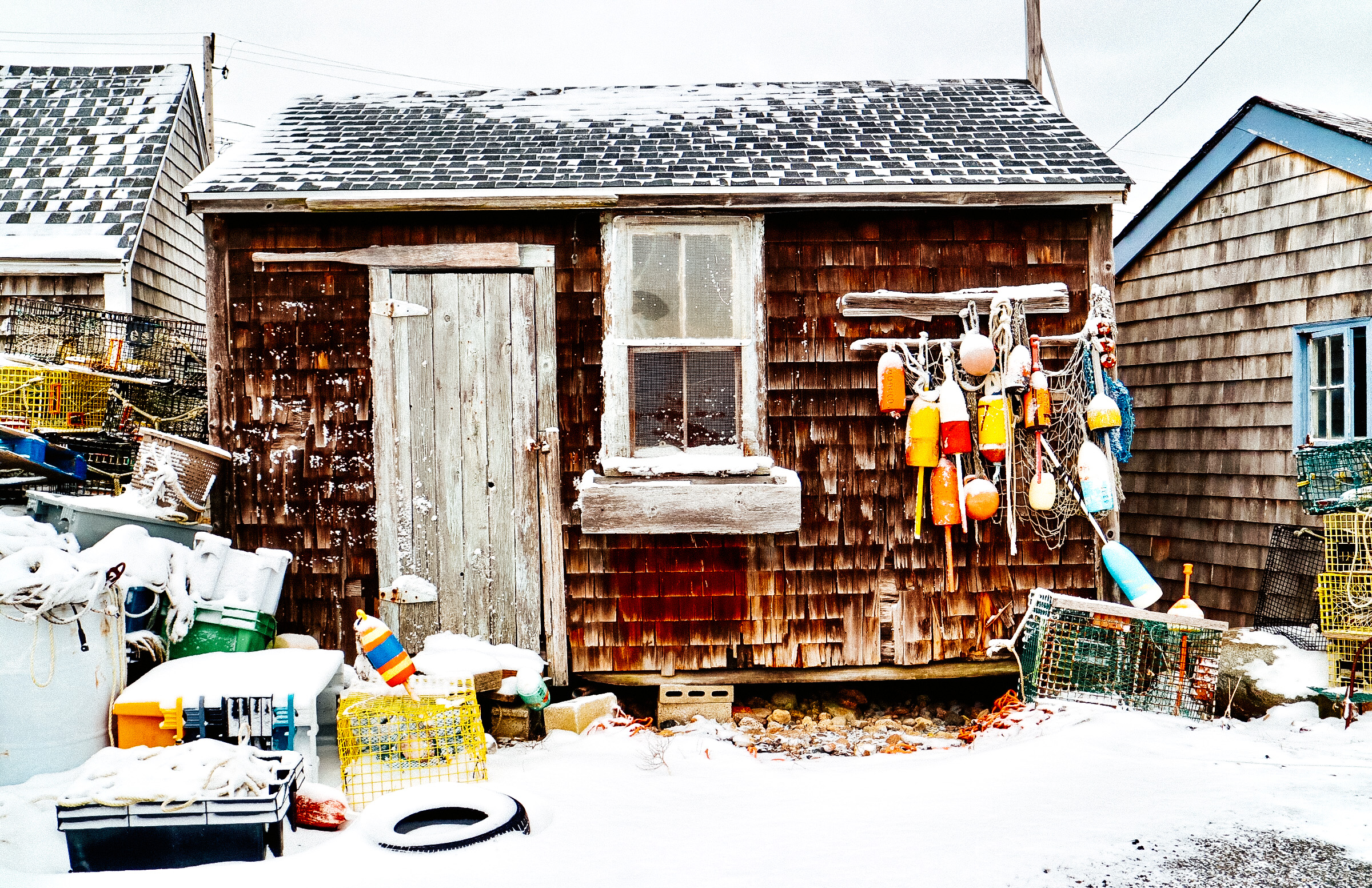
In winter the tourist version of this coast disappears. What's left is the real one — rusted cleats, weathered pilings, lobstermen who have been at it since before you were born and have zero interest in your camera. That's the version of Gloucester I want. The one that isn't putting on a show.
What the Light Actually Does
There's a practical case for winter, too, if you need one. I'm always looking for the light to do something regardless of the time of year. In winter it just does it longer. From November through February you've got that low, directional light all day — not just the thirty minute window you're racing against in July.
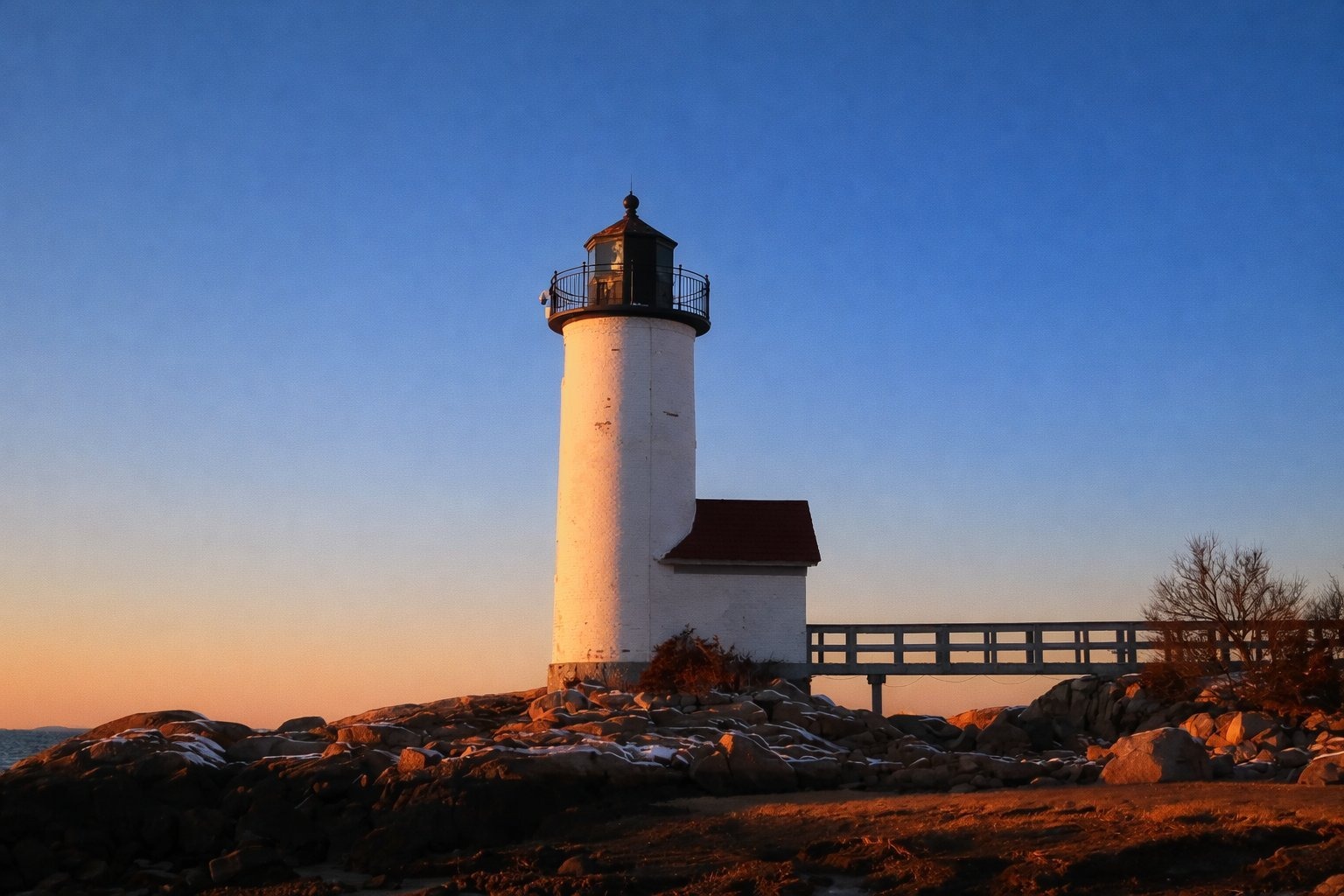
It does things that summer light can't touch. The way the sunset hits the Annisquam light and opens up across Ipswich Bay in January — that's not something you stumble into in August. Old Town Marblehead on a grey morning, the colonial houses stacked up the hill above the harbor, not a tourist in sight. That's the version worth driving for.
I shoot with a Canon R8. It's basically the R6 Mark II scaled down — a workhorse of a little camera. Has its drawbacks, but it can get every job done, like an old reliable Toyota Land Cruiser. Unlike my rusted out Discovery that was supposed to be just a zip code car, the R8 just goes. I watch the water, know my window, and when it's not there I get back in the car and keep driving.
Most mornings the conditions are wrong. Occasionally they're right. You can't get the second thing without showing up for the first.
I've parked at Good Harbor at dawn with the whole beach to myself. Sat on the Marblehead Neck with coffee going cold, waiting on the light to do something. Driven the back roads around the Annisquam just to see what was happening. Most mornings, nothing. Occasionally, everything.
Just Go
I'm not a professional photographer. I'm just someone who goes when it's easier not to. The point isn't the shot. The point is the drive. The dead end that opens onto the water. Getting off your couch on a Saturday in January when the sky looks like nothing, and finding out it looks like everything from the right spot.
These towns have been here since the 1600s. The shingled houses, the granite running into the water, the harbors that fed the spice trade and the fish trade and made Salem one of the wealthiest ports in the world. That history is still sitting there in the architecture, in the wharves, in the names on the streets and the people that live here. That's what I love about it. Most people drive right past it, but it's all there, right in front of you. All you have to do is go.